
Kia Weatherspoon Is Redefining Design Equity for Black and Brown Communities
Kia Weatherspoon’s story does not begin with childhood rooms painted in nostalgic colors or memories of décor that shaped her early sense of self. In truth, she cannot recall the layout of the home she grew up in or the texture of its walls. What she remembers instead, with a clarity that has stayed with her for decades, is the first time she visited her brother in prison. She remembers the coldness of the room and the heaviness that settled over every person who walked through its doors. She remembers the anger that rose in her chest as she recognized how many Black and Brown people must navigate environments that diminish them rather than lift them. She did not yet know it, but that moment carried the beginning of her life’s mission.
Years later, while deployed overseas shortly after 9/11, that mission surfaced again in a more intimate way. She lived in a tent with thirteen women, all of them exhausted and longing for a sense of emotional refuge. One day she hung three sheets from the tent frame to create a tiny enclosure. When she stepped inside that fabric lined space, her entire body softened. The walls quieted the world around her and revealed how even the simplest form of beauty can soothe, protect, and help a person breathe again. In that moment she understood that beauty is not superficial. It is a form of care. It can hold the weight a person cannot set down. That enclosure became the first space she ever designed, and it awakened her conviction that creating environments of comfort and healing was her calling.
When she returned home, she assumed interior design would lead her toward hotels and polished hospitality. Instead, her first design job left her depleted and disconnected. She left the role and accepted a nonprofit project serving domestic violence survivors, twelve women and thirty two children rebuilding their lives. She created a space filled with warmth, softness, and a sense of welcome. When the women entered the room, many questioned whether it was truly meant for them. Some had never been inside a thoughtfully designed environment that acknowledged their worth. One woman asked if this was something Kia hoped to do one day, not realizing she was standing in the proof of Kia’s purpose. Another told her that walking into that space made her believe change was possible.

Everything crystallized at once. People who need healing centered spaces often do not know such spaces are possible, and they do not know they deserve them. Kia had not known either until she saw the transformation reflected in their faces. She understood that design is not decoration. It is emotional safety. It is dignity. It is the quiet power that tells someone they matter. Beauty is not a luxury reserved for the privileged. It is a right, and Black and Brown communities deserve it without condition.
As the founder of Determined by Design, Kia has become a leading voice in creating environments that honor wellness, cultural truth, and humanity. Her approach begins long before choosing textures or color palettes. She and her team study the original Indigenous caretakers of the land, the migration patterns that shaped the neighborhood, the artists and makers who defined its cultural memory, and the lived experiences of the people who call that place home. This research becomes a design language rooted in authenticity. Nothing is washed out. Nothing is neutralized. The spaces carry layers of history and emotion because the communities themselves carry those layers too.
Kia believes that throughout the world, people adorn themselves in moments of ceremony and connection. That adornment expresses pride, identity, and presence. She brings that same sense of adornment into environments from playrooms to gathering spaces to supportive housing. The result is soft, joyful, beautifully textured spaces that reflect the fullness of the people who inhabit them. Her work offers not only aesthetics, but a renewed sense of belonging.
This intention becomes most visible in the moments she witnesses onsite. She once designed a tech forward playroom with furniture meant for climbing and exploration. Adults often discourage such movement, but Kia wanted children to feel free in a space created for their joy. One day she looked through the window and saw a young Black boy climbing and laughing with unfiltered excitement. His mother sat nearby, finally able to rest. Across the room, a Black man and a young boy played chess, connected in a moment that might not have happened otherwise. These small yet profound experiences are why she designs. They show what becomes possible when people are surrounded by spaces that see them clearly.

The heart of her work is deeply tied to the people who help bring it to life. Leading a team that reflects the communities they serve is not symbolic for Kia. It is essential. It shapes what the work prioritizes and what the outcomes become. One team member, Angelica, grew up in Old Brooklyn and lived in public housing. She designs from memory, and her sense of truth and urgency informs everything she creates. Another team member, Naja, leads storytelling and celebration. She had never worked in an environment where she felt connected to the communities she served, and watching residents embrace her affirmed the power of representation and cultural fluency in design.
Kia is building a future where Black and Brown children grow up walking through the most beautiful, thoughtful, and joyful spaces imaginable. She wants them to see art, texture, color, and possibility, and to feel that these environments are meant for them and can be created by them. She wants design to feel accessible and expansive, not hidden behind the walls of privilege.
Although her work has grown into national recognition, her intention remains simple and unwavering. She creates spaces that give people room to breathe, to soften, to imagine, and to feel whole. She creates spaces that return dignity. She creates spaces that heal. Her work is a reminder that the environments surrounding us shape our inner lives, and that Black and Brown communities deserve spaces that reflect their beauty, depth, and humanity.
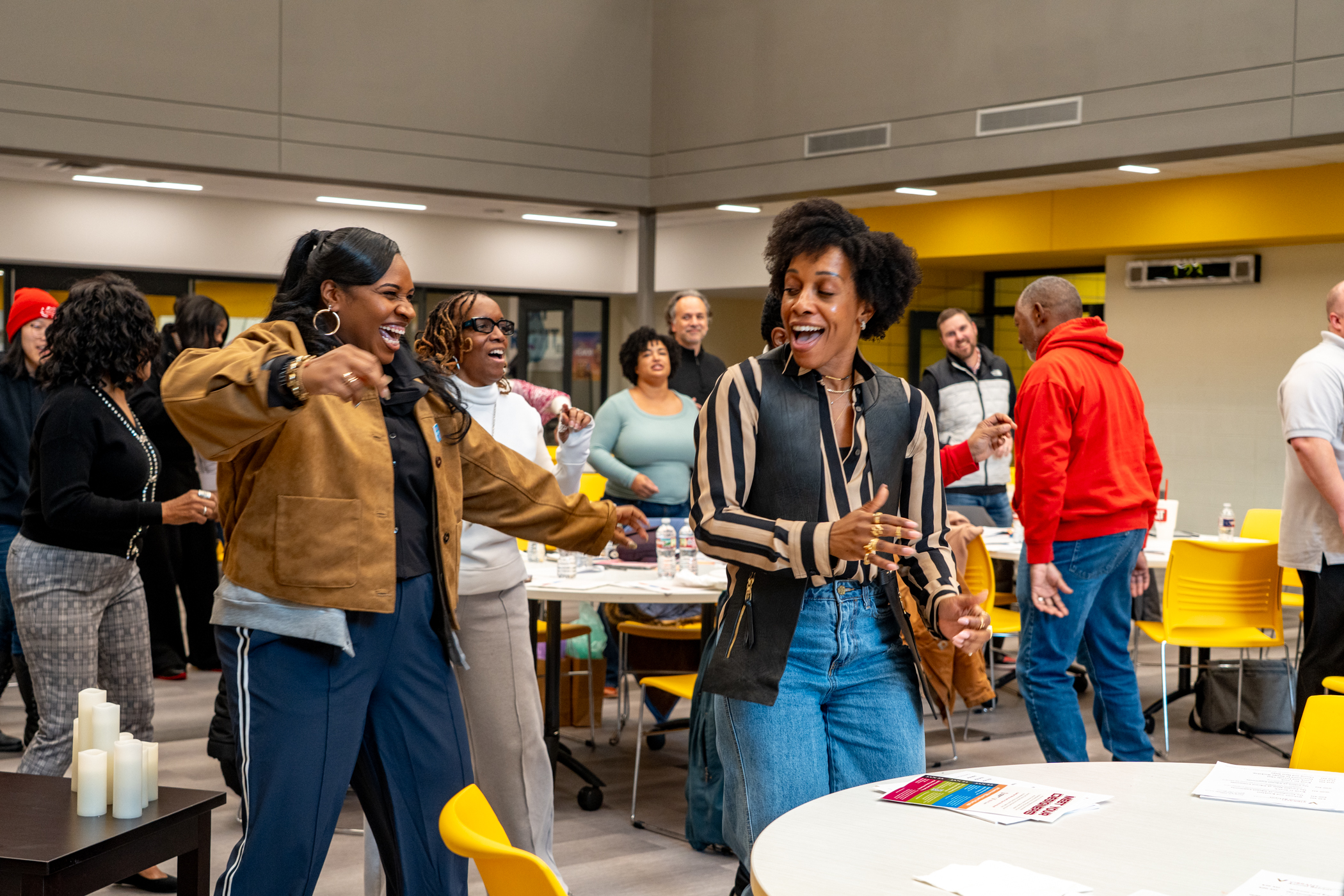
Through her mission, Kia Weatherspoon is showing the world what happens when design becomes healing. She is showing what becomes possible when people step into spaces created with intention, reverence, and care. She is reminding us all that wellness begins not only within our bodies, but within the places we live, gather, rest, and rise.